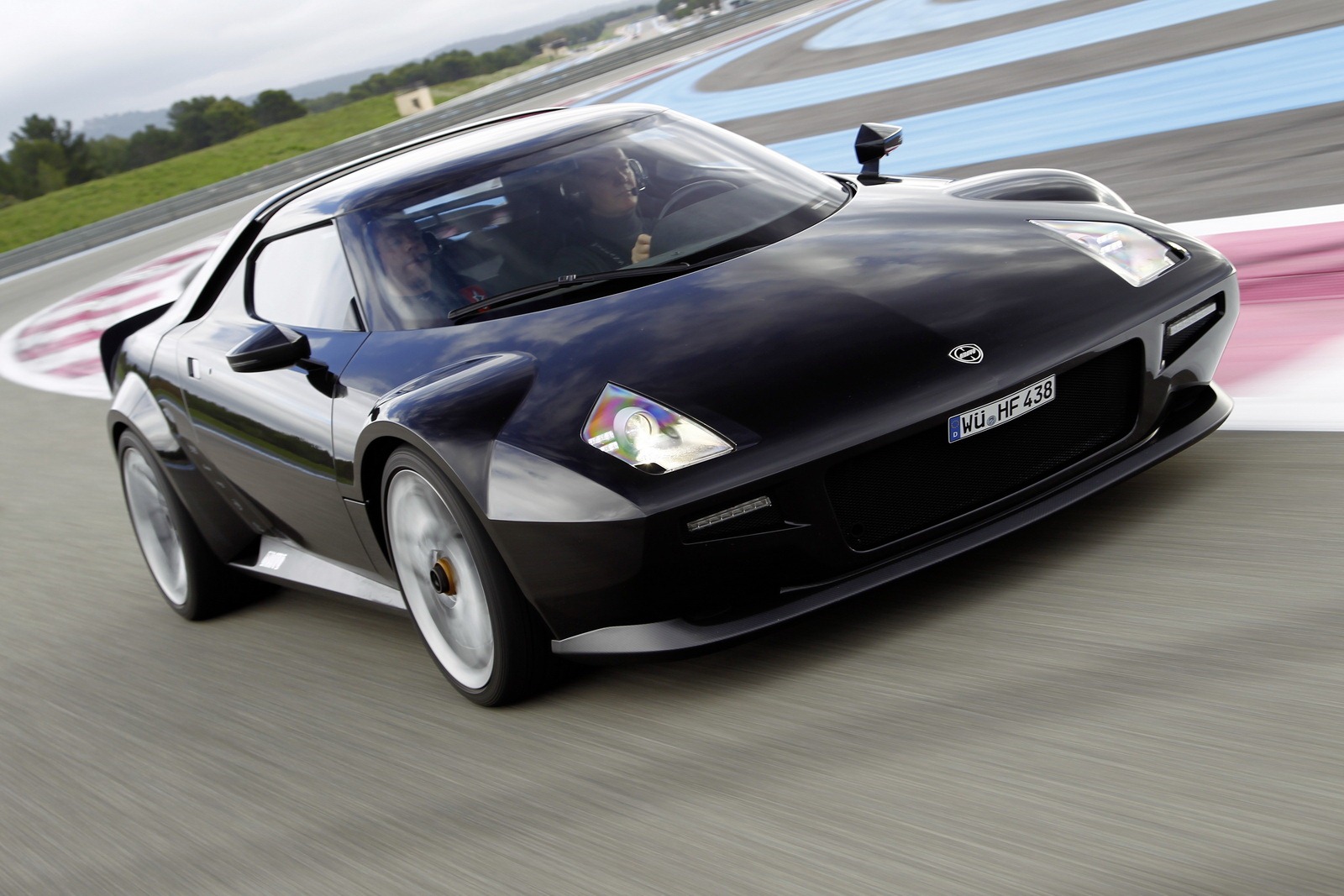
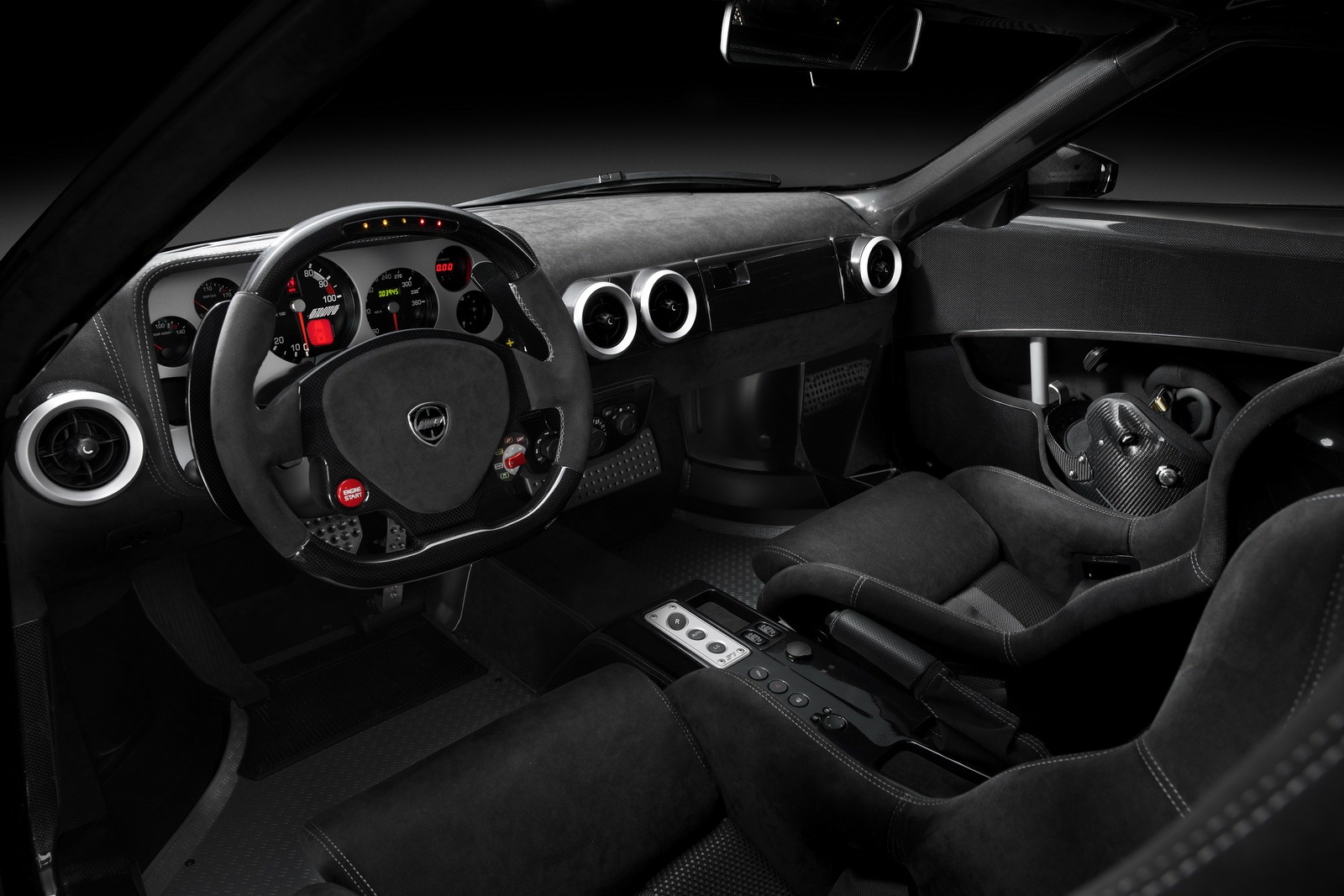
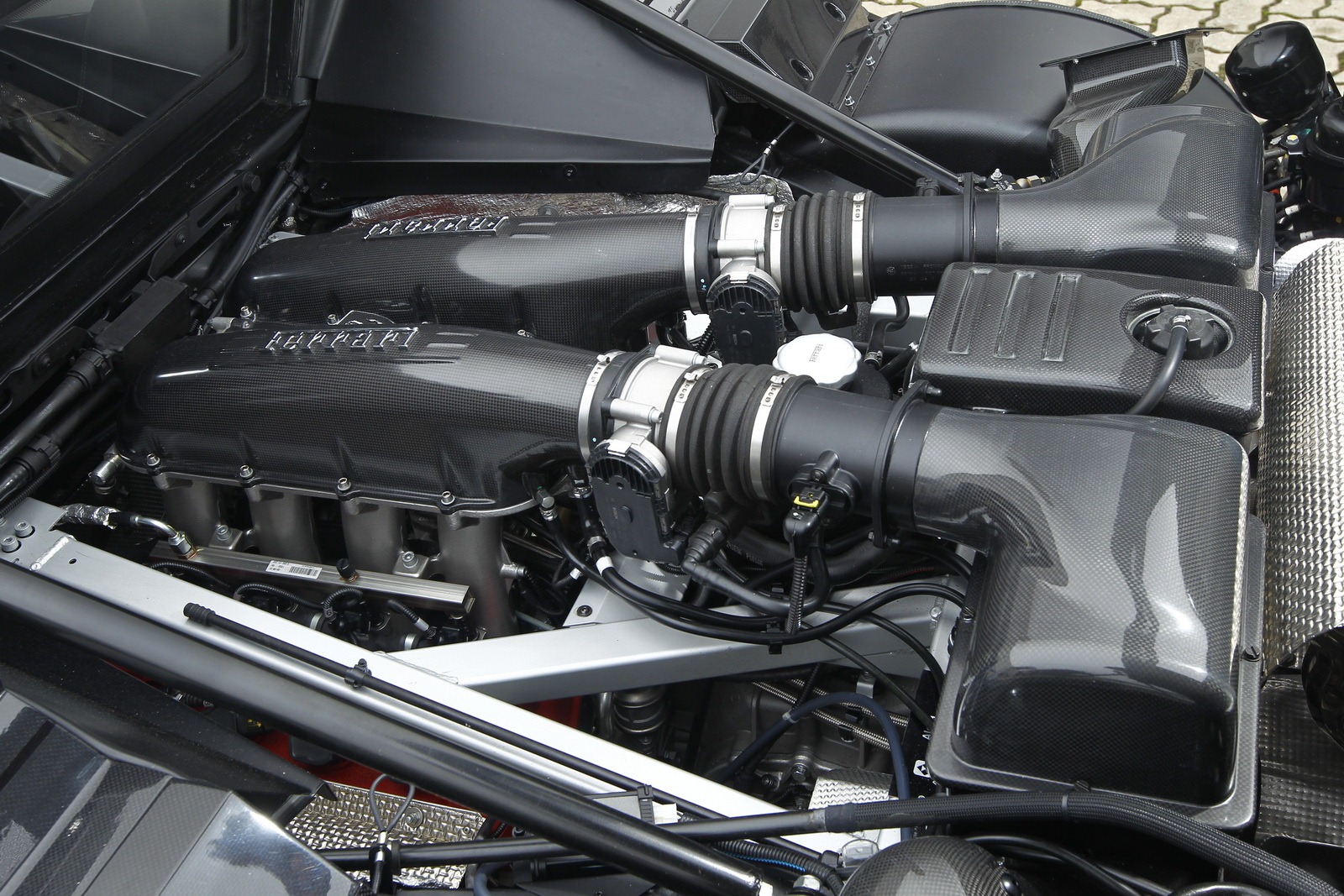
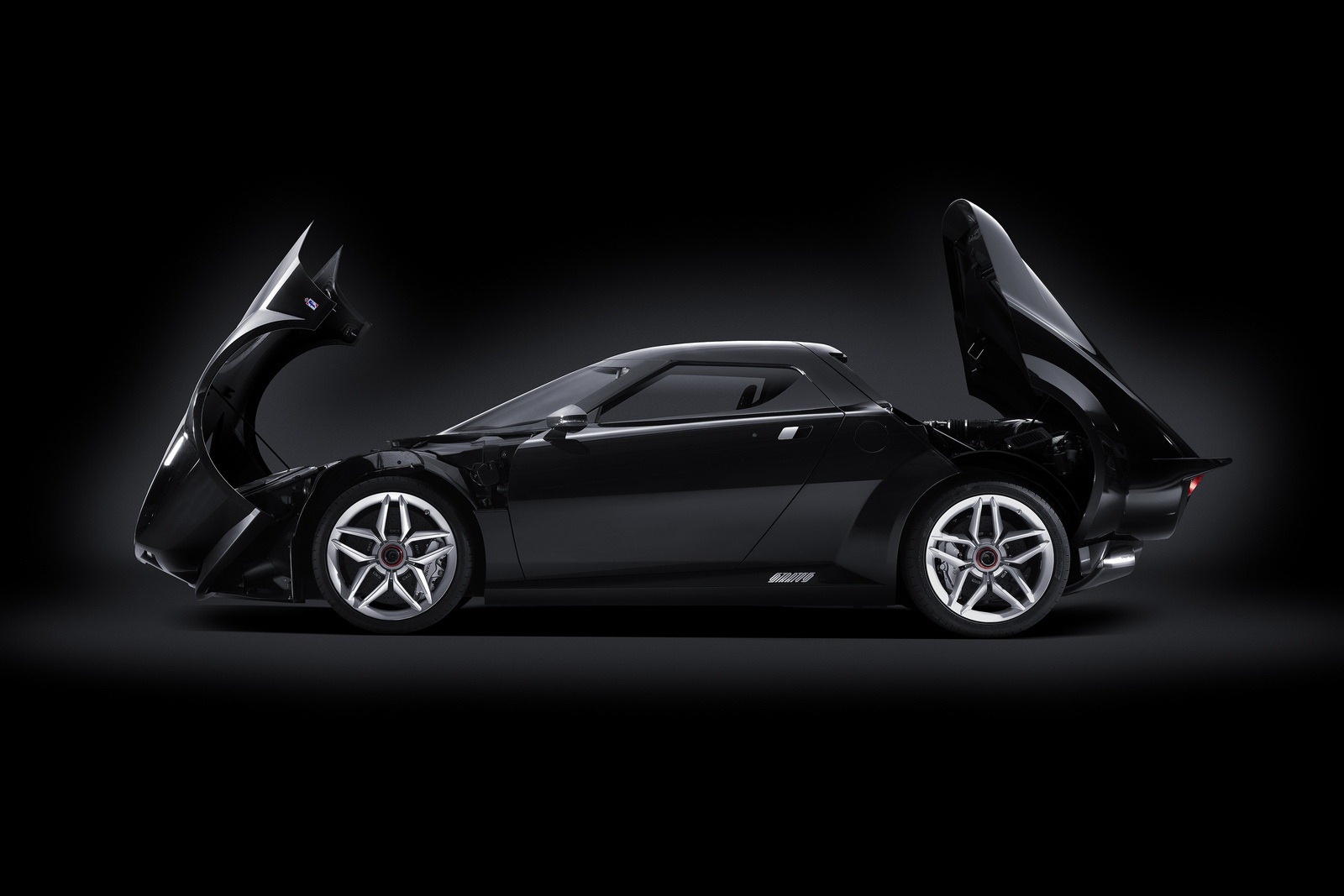
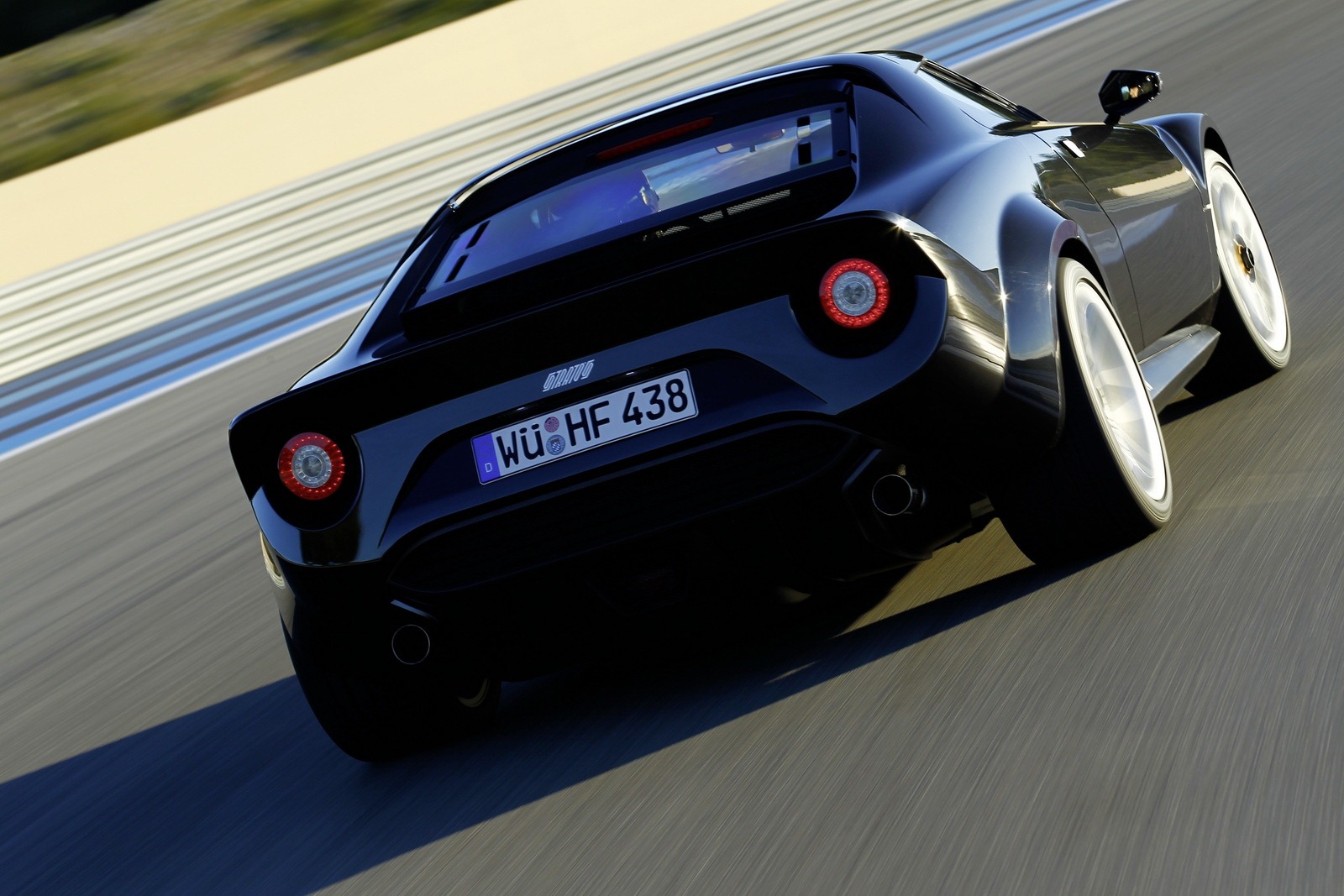
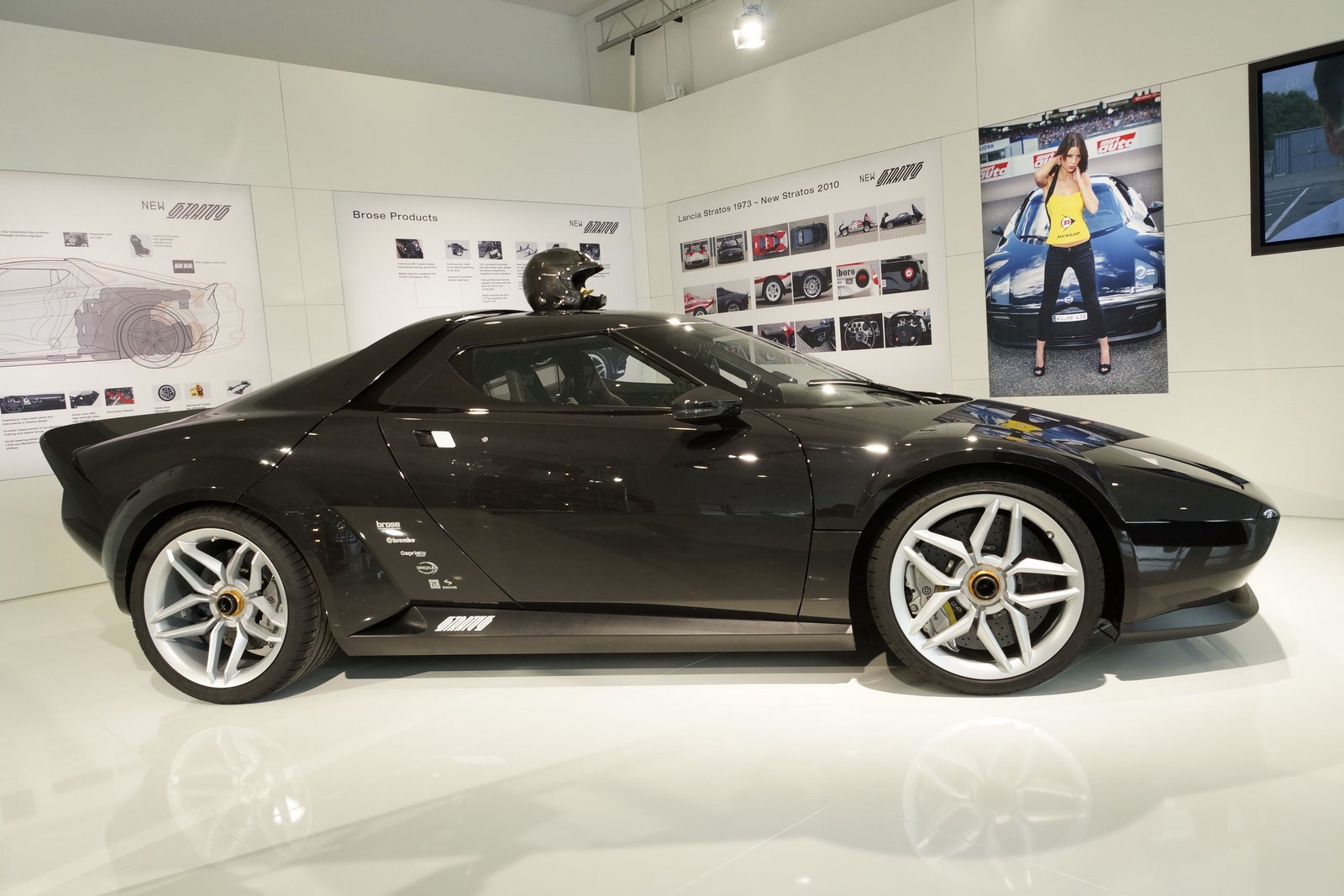
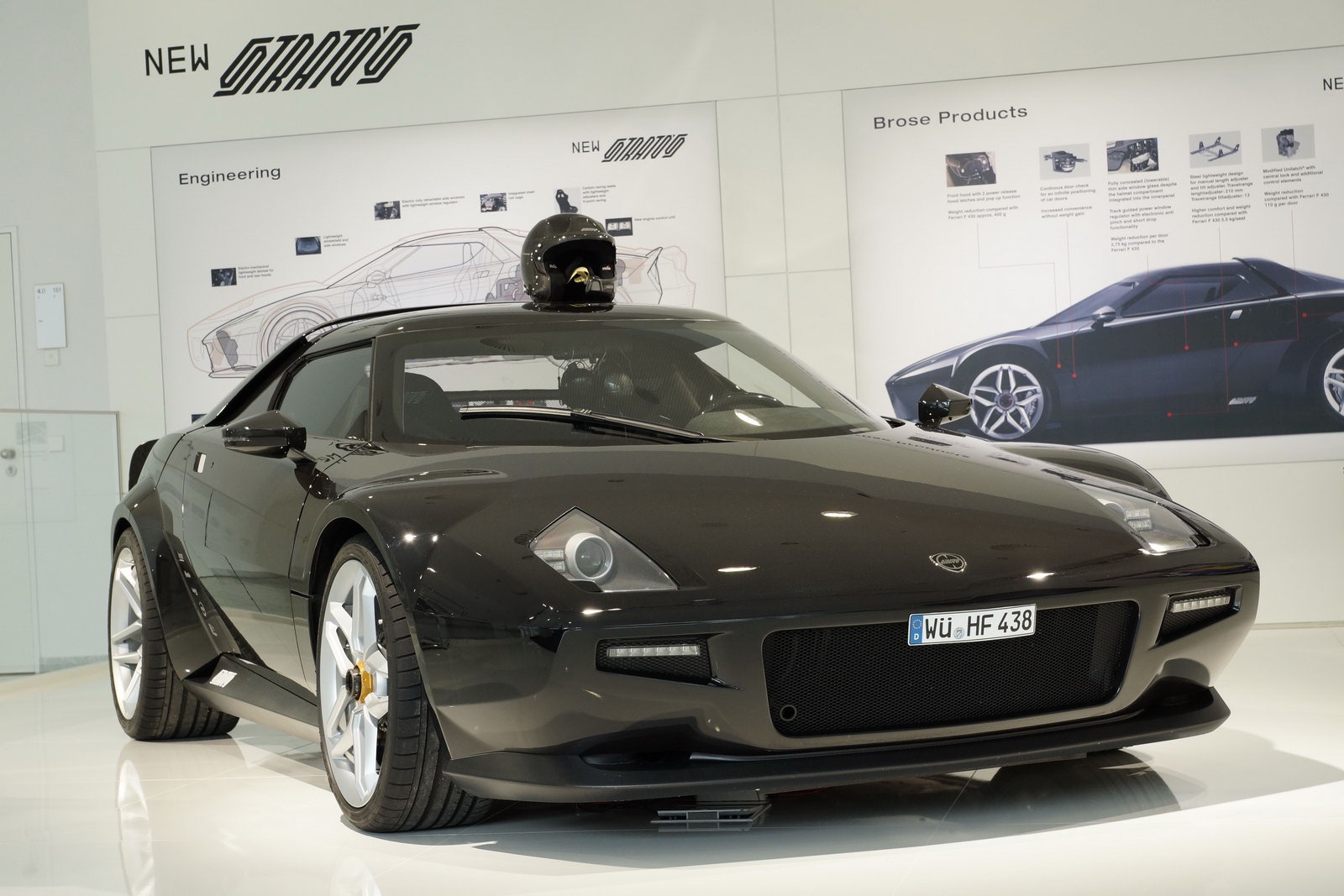
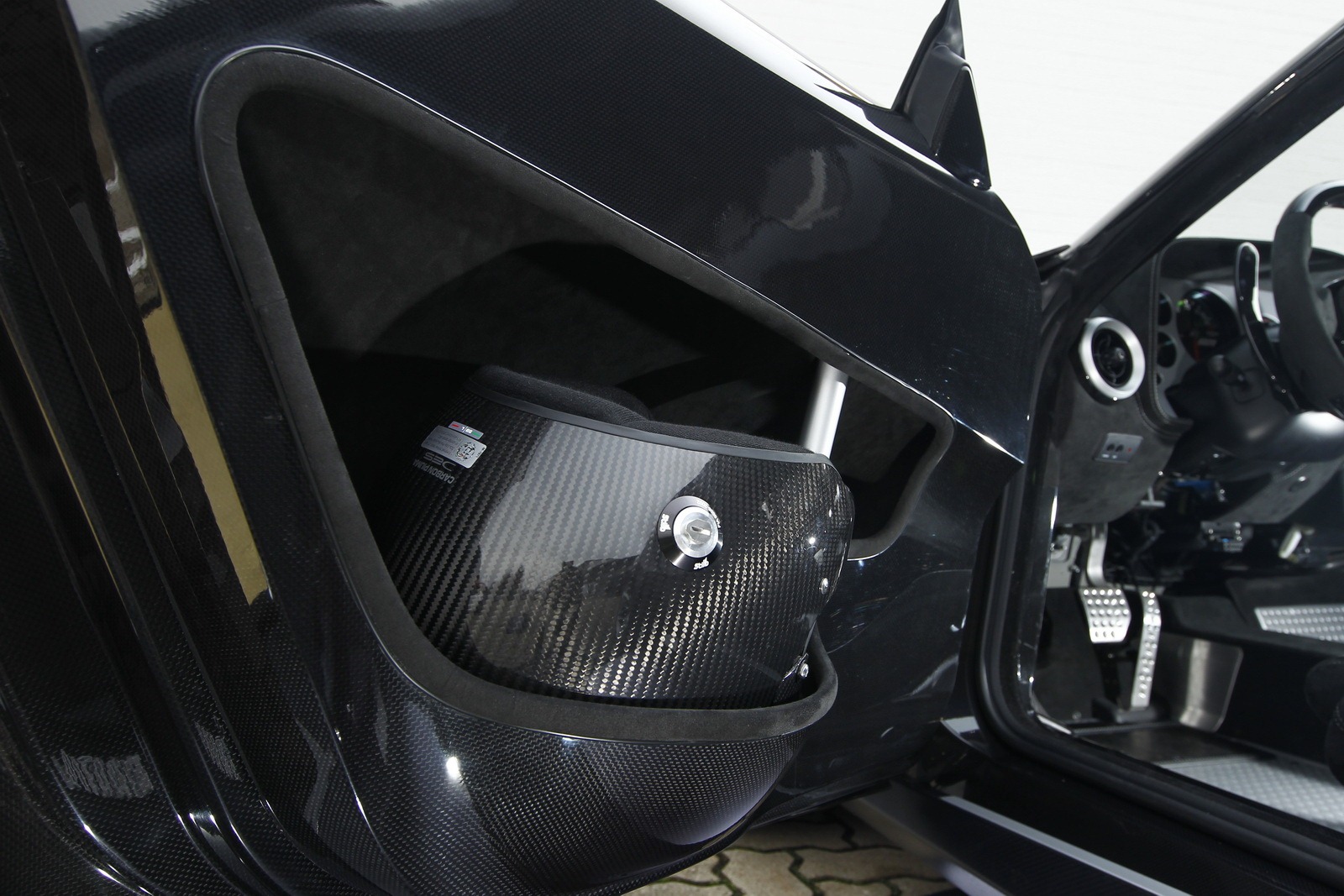
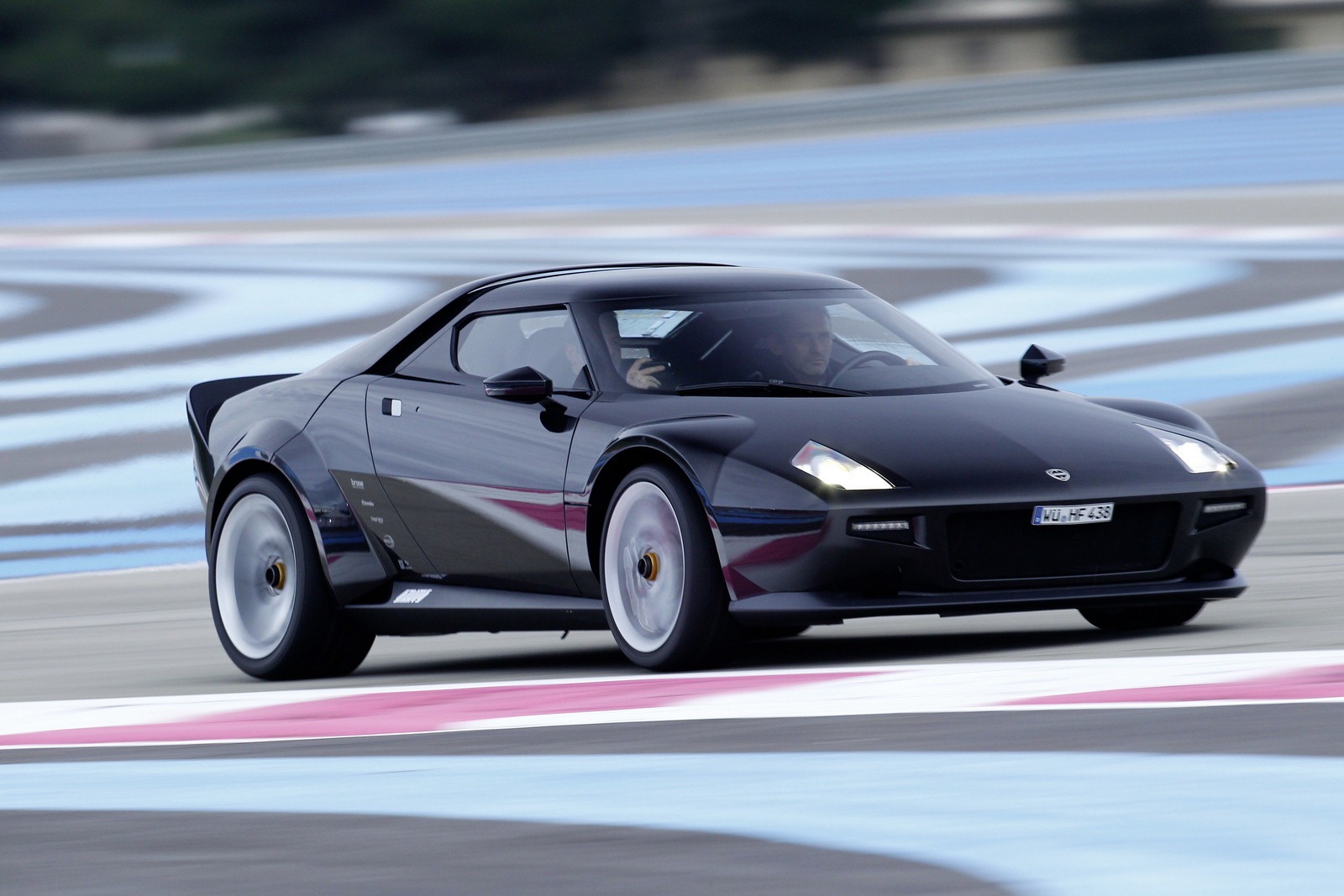
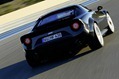
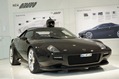
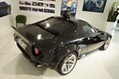
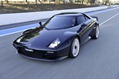
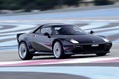
The automotive history is full of people who tried to make their dreams come true but failed, some due to their limited ability or resources, some because of bad timing and others because the big fish swimming in their pond were, well, too big to handle. Automotive industry entrepreneur, collector and historic car driver Michael Stoschek has just joined their ranks after attempting to build a 21st century version of one of rallying’s iconic cars: the Lancia Stratos.
Earlier this week, Stoschek announced that he will not be able to fulfill the 50 orders he had already received: “The reason lies in the attitude of Ferrari CEO Amedeo Felisa, who opposes the production of other vehicles by companies that work with Ferrari," he wrote on his website.
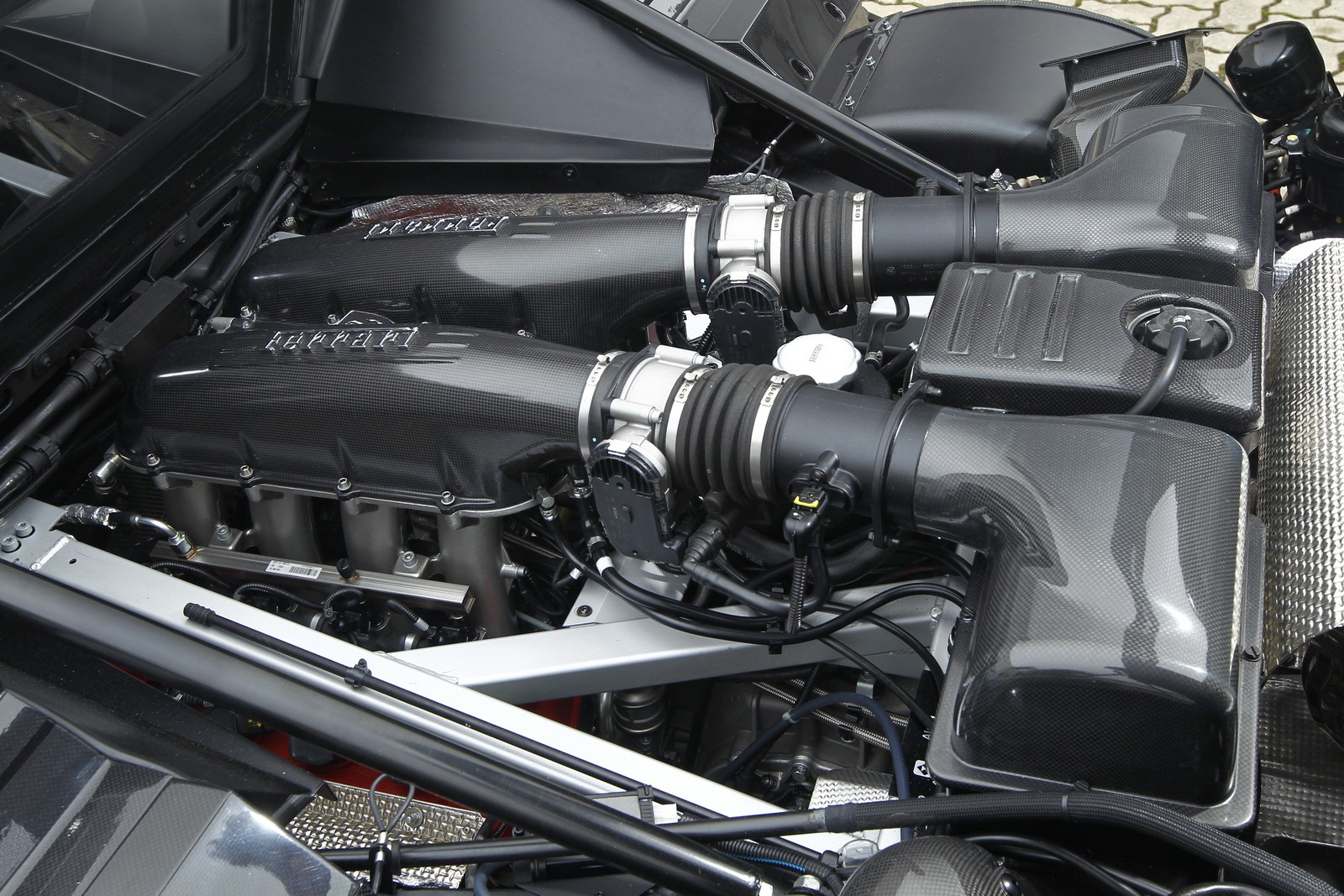
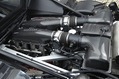
His “mistake” was that he chose to use Pininfarina for the design of the chassis and bodywork, and a Ferrari 360 or F430 as a donor car for the powertrain of the New Stratos.
Although Ferrari President Luca di Montezemolo himself drove it and made very positive remarks about the car, Maranello had a change of heart and announced that it would not allow Pininfarina or any other of its suppliers to be connected with the New Stratos project.
Stoschek said that, despite having the chassis and bodywork data in CAD, the search for another company to take over from Pininfarina and continue the project failed since “many of the details are only in the minds of some highly skilled people employed by Pininfarina”.
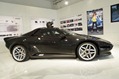
Nevertheless, he said that the New Stratos will not be confined in a garage but will instead be presented at various public events – and he added that he is already building a black Lancia Stratos Stradale, "so that the many similarities between the old and the new Stratos are more obvious".
The automotive history is full of people who tried to make their dreams come true but failed, some due to their limited ability or resources, some because of bad timing and others because the big fish swimming in their pond were, well, too big to handle. Automotive industry entrepreneur, collector and historic car driver Michael Stoschek has just joined their ranks after attempting to build a 21st century version of one of rallying’s iconic cars: the Lancia Stratos.
Earlier this week, Stoschek announced that he will not be able to fulfill the 50 orders he had already received: “The reason lies in the attitude of Ferrari CEO Amedeo Felisa, who opposes the production of other vehicles by companies that work with Ferrari," he wrote on his website.
His “mistake” was that he chose to use Pininfarina for the design of the chassis and bodywork, and a Ferrari 360 or F430 as a donor car for the powertrain of the New Stratos.
Although Ferrari President Luca di Montezemolo himself drove it and made very positive remarks about the car, Maranello had a change of heart and announced that it would not allow Pininfarina or any other of its suppliers to be connected with the New Stratos project.
Stoschek said that, despite having the chassis and bodywork data in CAD, the search for another company to take over from Pininfarina and continue the project failed since “many of the details are only in the minds of some highly skilled people employed by Pininfarina”.
Nevertheless, he said that the New Stratos will not be confined in a garage but will instead be presented at various public events – and he added that he is already building a black Lancia Stratos Stradale, "so that the many similarities between the old and the new Stratos are more obvious".
PHOTO GALLERY

 The end of 2011 brings about the death of two much-criticized Dodge models, the Caliber crossover and the Nitro SUV, both of which were conceived and developed during the time Mercedes-Benz's parent company Daimler reigned over the Chrysler Group. The last examples of the Caliber and Nitro models rolled off Chrysler's Belvidere, Illinois and Toledo North assembly plants respectively this month.
Introduced in 2006, the Caliber was designed to replace the Neon in the same fashion that Nissan tried to win the European C-segment (think VW Golf) with the Qashqai crossover, but without the same success.
The Caliber left a lot to be desired, especially in the powertrain/drivetrain department and its rent-a-car like interior.
Monthly sales of the compact five-door model peaked in May 2008 with 12,856 units, dropping to a pitiful 412 units in November 2009, with Dodge delivering 1,202 Calibers last month.
The Caliber's replacement will be introduce in a couple of weeks at the 2012 Detroit Motor Show with the new 2013 Dodge Dart, which is a compact-sized sedan model based on the platform architecture of the Alfa Romeo Giulietta.
The Nitro SUV made its debut in 2006 as a more masculine and sportier Dodge derivative of the second generation Jeep Liberty with which it shared its platform but not the latter's more hardcore all-wheel drive hardware. It too suffered from a cheap interior while it's on-road dynamics were poor.
The best sales month of the Nitro was in March 2007 with 7,532 deliveries, while the worst was in July 2009 with 1,115 units, with Dodge selling 1,661 units in November 2012.
In a recent interview, Fiat-Chrysler Group CEO, Sergio Marchionne, said that "This car should never have been built” referring to the Nitro.
Story References: Automotive News
The end of 2011 brings about the death of two much-criticized Dodge models, the Caliber crossover and the Nitro SUV, both of which were conceived and developed during the time Mercedes-Benz's parent company Daimler reigned over the Chrysler Group. The last examples of the Caliber and Nitro models rolled off Chrysler's Belvidere, Illinois and Toledo North assembly plants respectively this month.
Introduced in 2006, the Caliber was designed to replace the Neon in the same fashion that Nissan tried to win the European C-segment (think VW Golf) with the Qashqai crossover, but without the same success.
The Caliber left a lot to be desired, especially in the powertrain/drivetrain department and its rent-a-car like interior.
Monthly sales of the compact five-door model peaked in May 2008 with 12,856 units, dropping to a pitiful 412 units in November 2009, with Dodge delivering 1,202 Calibers last month.
The Caliber's replacement will be introduce in a couple of weeks at the 2012 Detroit Motor Show with the new 2013 Dodge Dart, which is a compact-sized sedan model based on the platform architecture of the Alfa Romeo Giulietta.
The Nitro SUV made its debut in 2006 as a more masculine and sportier Dodge derivative of the second generation Jeep Liberty with which it shared its platform but not the latter's more hardcore all-wheel drive hardware. It too suffered from a cheap interior while it's on-road dynamics were poor.
The best sales month of the Nitro was in March 2007 with 7,532 deliveries, while the worst was in July 2009 with 1,115 units, with Dodge selling 1,661 units in November 2012.
In a recent interview, Fiat-Chrysler Group CEO, Sergio Marchionne, said that "This car should never have been built” referring to the Nitro.
Story References: Automotive News
DODGE CALIBER


 Weekend track enthusiasts with a taste for exclusive sports cars and pockets deep enough to afford their hobby, will be happy to learn that the BAC Mono single-seater racecar has arrived in the States. Sector111 LLC, a California based company that specializes in aftermarket performance parts and service for the Lotus Elise and Exige and the Ariel Atom, has been named the exclusive U.S. importer of the British model.
"USA is a hugely important market and represents a significant percentage of our export volume," said BAC Director, Neill Briggs. "With their experience and extensive knowledge of the low volume sports car market, we are delighted to announce that Mono will be available through our partner Sector111," he added.
Sector111 said that it would be responsible for sales and service of the BAC Mono in the States, with plans to import around 12 cars for 2012, with pricing set at $130,000 a piece.
The Mono is powered by a mid-mounted naturally aspirated 2.3-liter Cosworth engine pushing out 280-horsepower to the rear wheels through a six-speed sequential transmission and a limited-slip differential. The single-seater model features a carbon-fiber body and weighs in at just 540 kg (1,190 lbs).
According to the British company, the Mono passes the 0 to 60mph [96km/h] yardstick just 2.8 seconds after takeoff, and the 100 mph (160km/h) mark after 6.7 seconds, while its top speed is 170 mph (274 km/h).
Weekend track enthusiasts with a taste for exclusive sports cars and pockets deep enough to afford their hobby, will be happy to learn that the BAC Mono single-seater racecar has arrived in the States. Sector111 LLC, a California based company that specializes in aftermarket performance parts and service for the Lotus Elise and Exige and the Ariel Atom, has been named the exclusive U.S. importer of the British model.
"USA is a hugely important market and represents a significant percentage of our export volume," said BAC Director, Neill Briggs. "With their experience and extensive knowledge of the low volume sports car market, we are delighted to announce that Mono will be available through our partner Sector111," he added.
Sector111 said that it would be responsible for sales and service of the BAC Mono in the States, with plans to import around 12 cars for 2012, with pricing set at $130,000 a piece.
The Mono is powered by a mid-mounted naturally aspirated 2.3-liter Cosworth engine pushing out 280-horsepower to the rear wheels through a six-speed sequential transmission and a limited-slip differential. The single-seater model features a carbon-fiber body and weighs in at just 540 kg (1,190 lbs).
According to the British company, the Mono passes the 0 to 60mph [96km/h] yardstick just 2.8 seconds after takeoff, and the 100 mph (160km/h) mark after 6.7 seconds, while its top speed is 170 mph (274 km/h).
PHOTO GALLERY


 The automotive history is full of people who tried to make their dreams come true but failed, some due to their limited ability or resources, some because of bad timing and others because the big fish swimming in their pond were, well, too big to handle. Automotive industry entrepreneur, collector and historic car driver Michael Stoschek has just joined their ranks after attempting to build a 21st century version of one of rallying’s iconic cars: the Lancia Stratos.