Showing posts with label automotive design. Show all posts

Sunday, January 8, 2012

New Stratos Project Dead

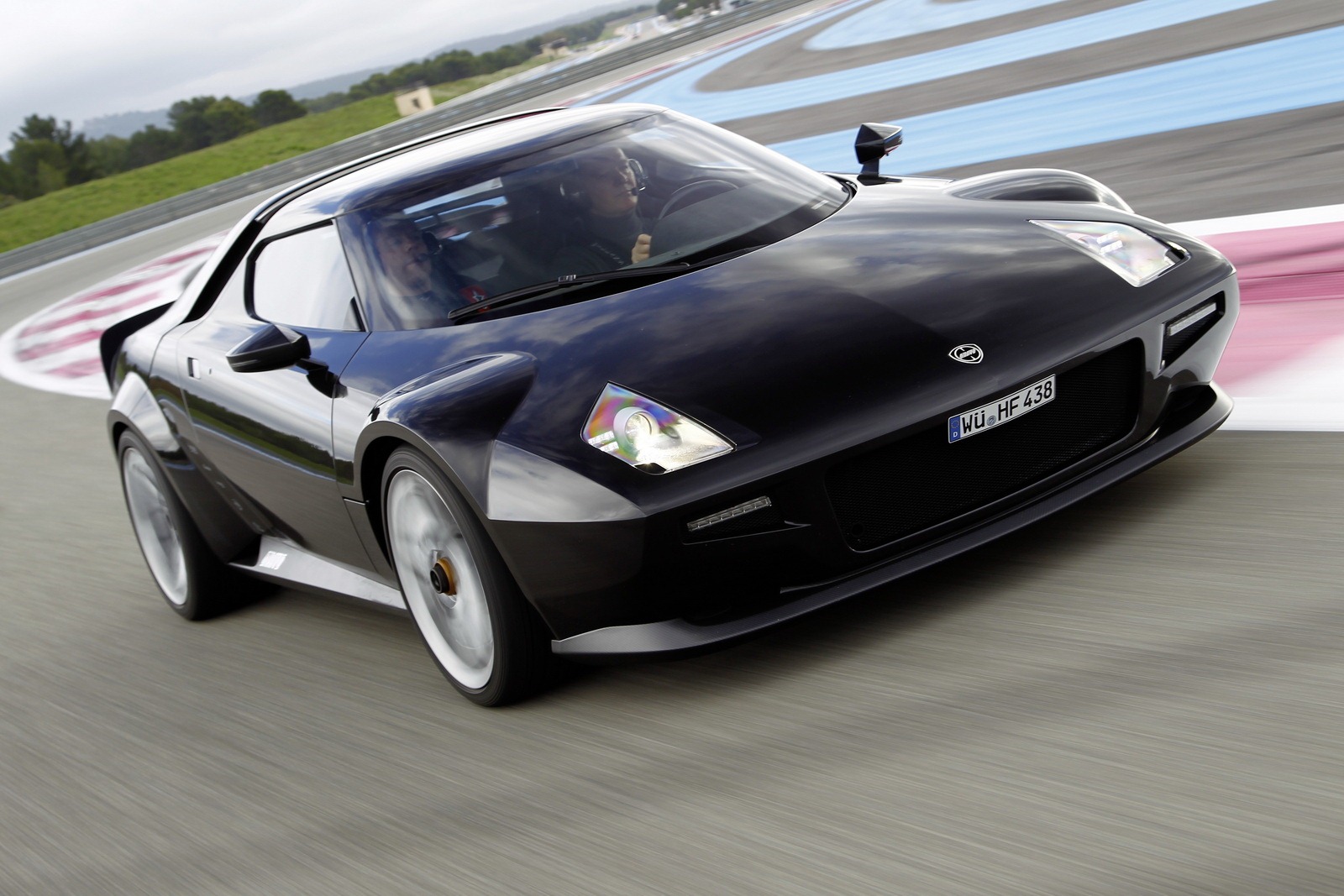
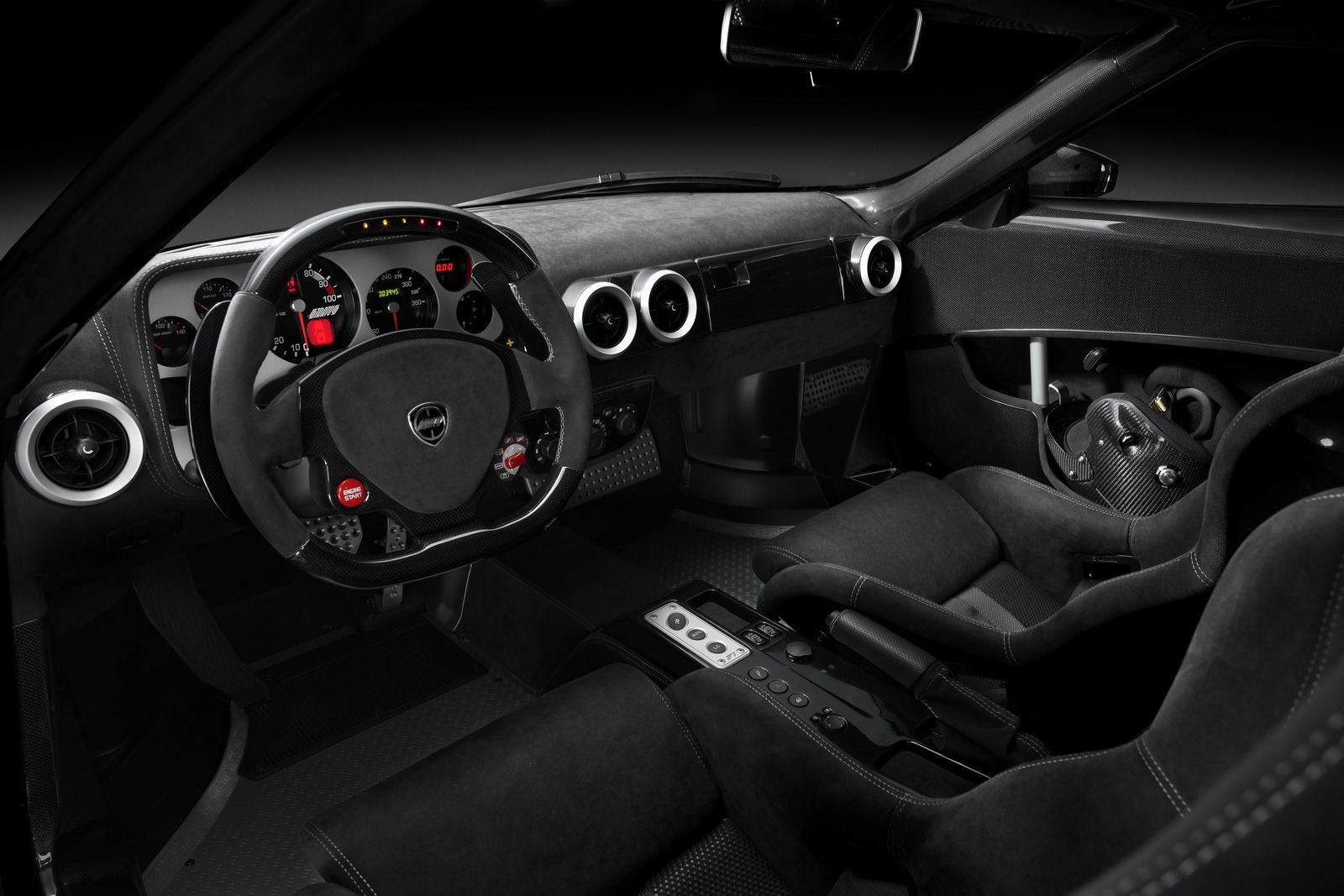
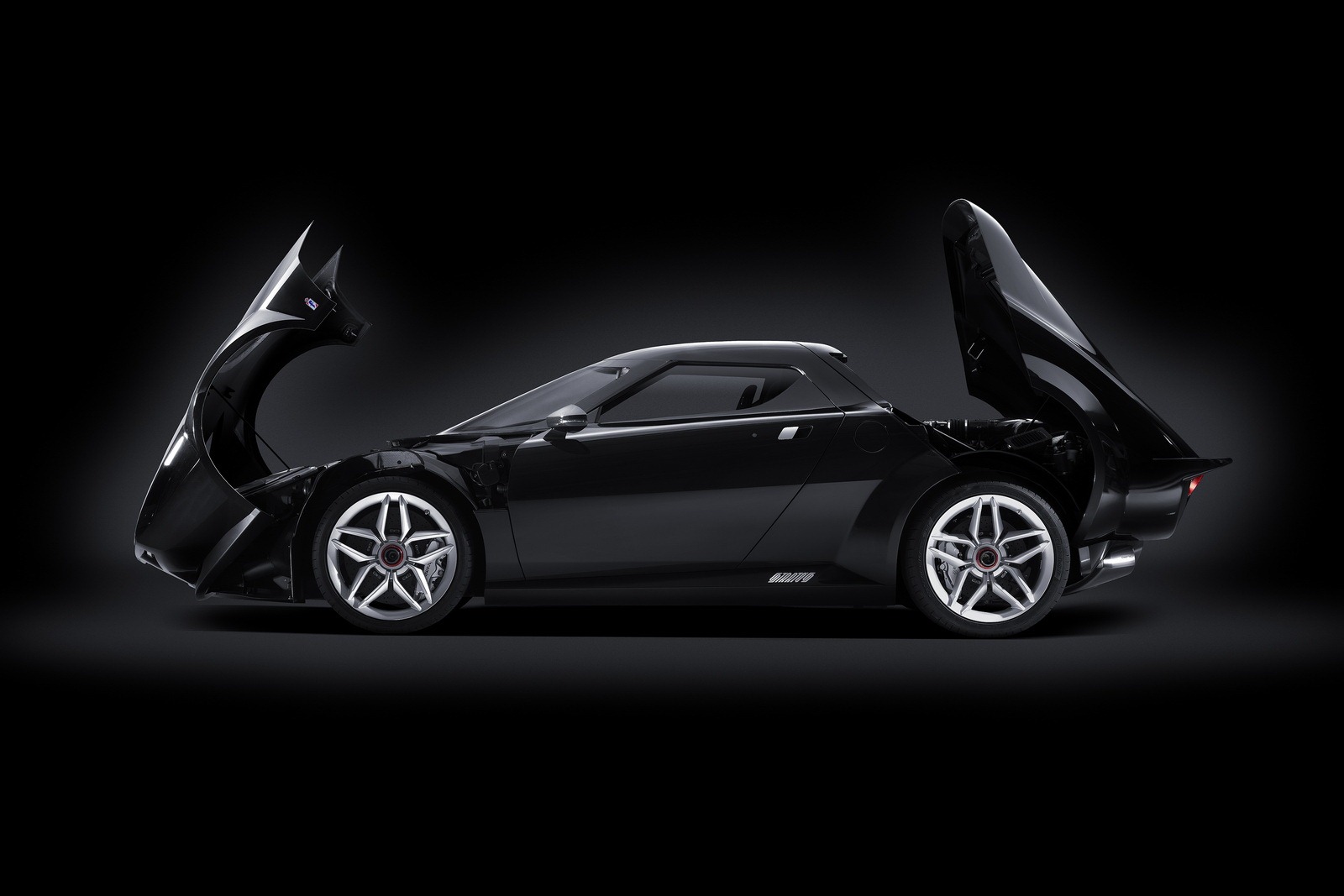
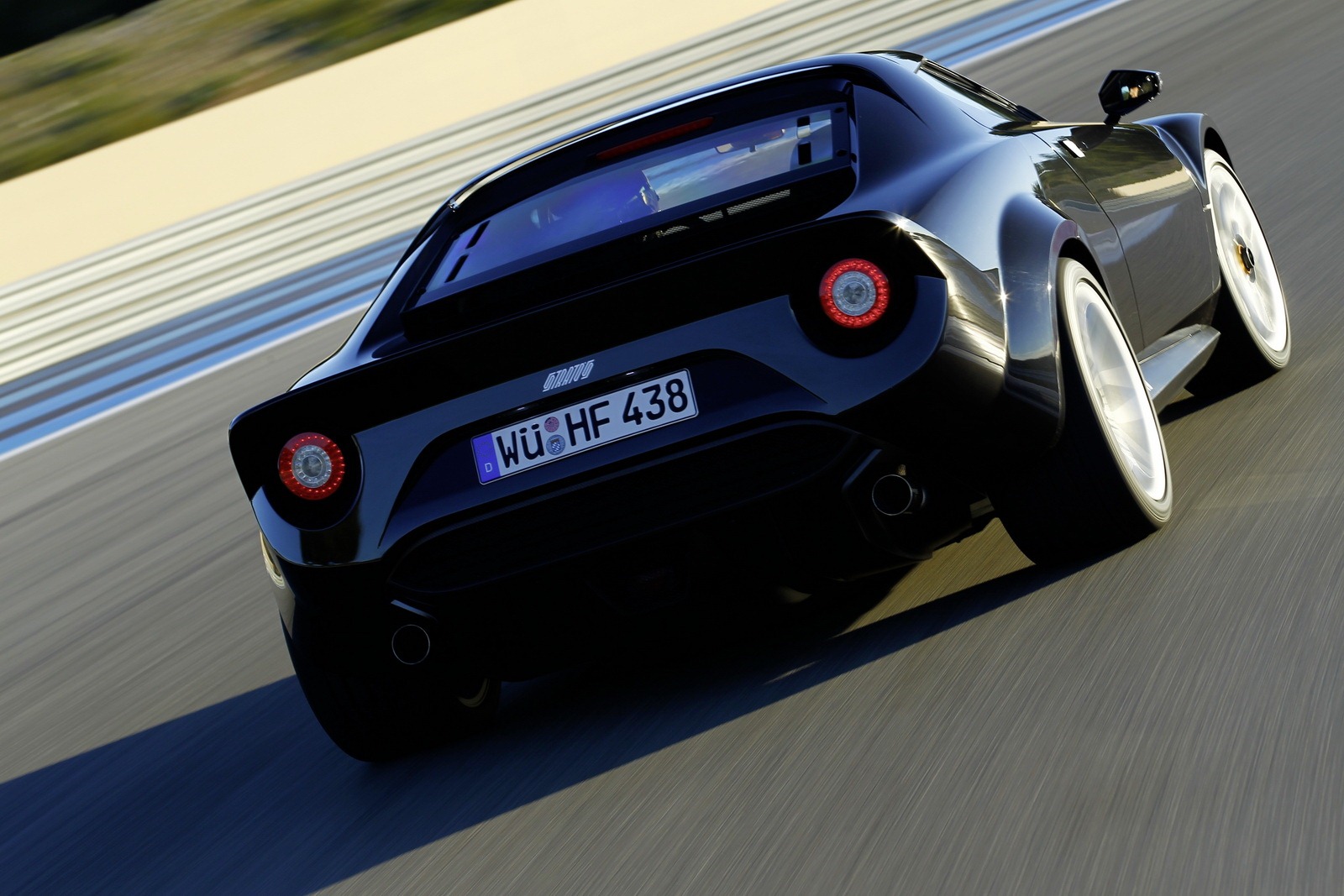
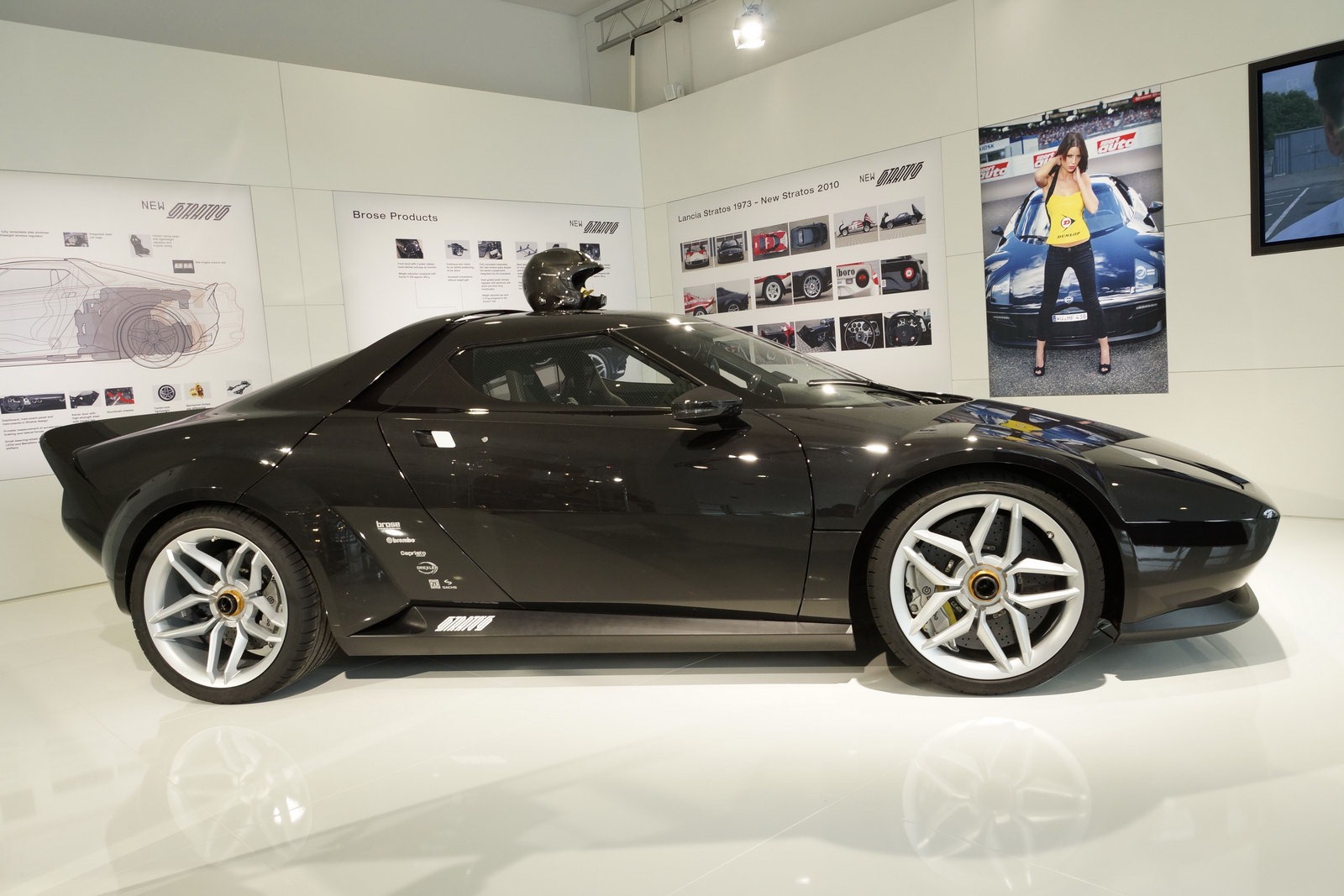
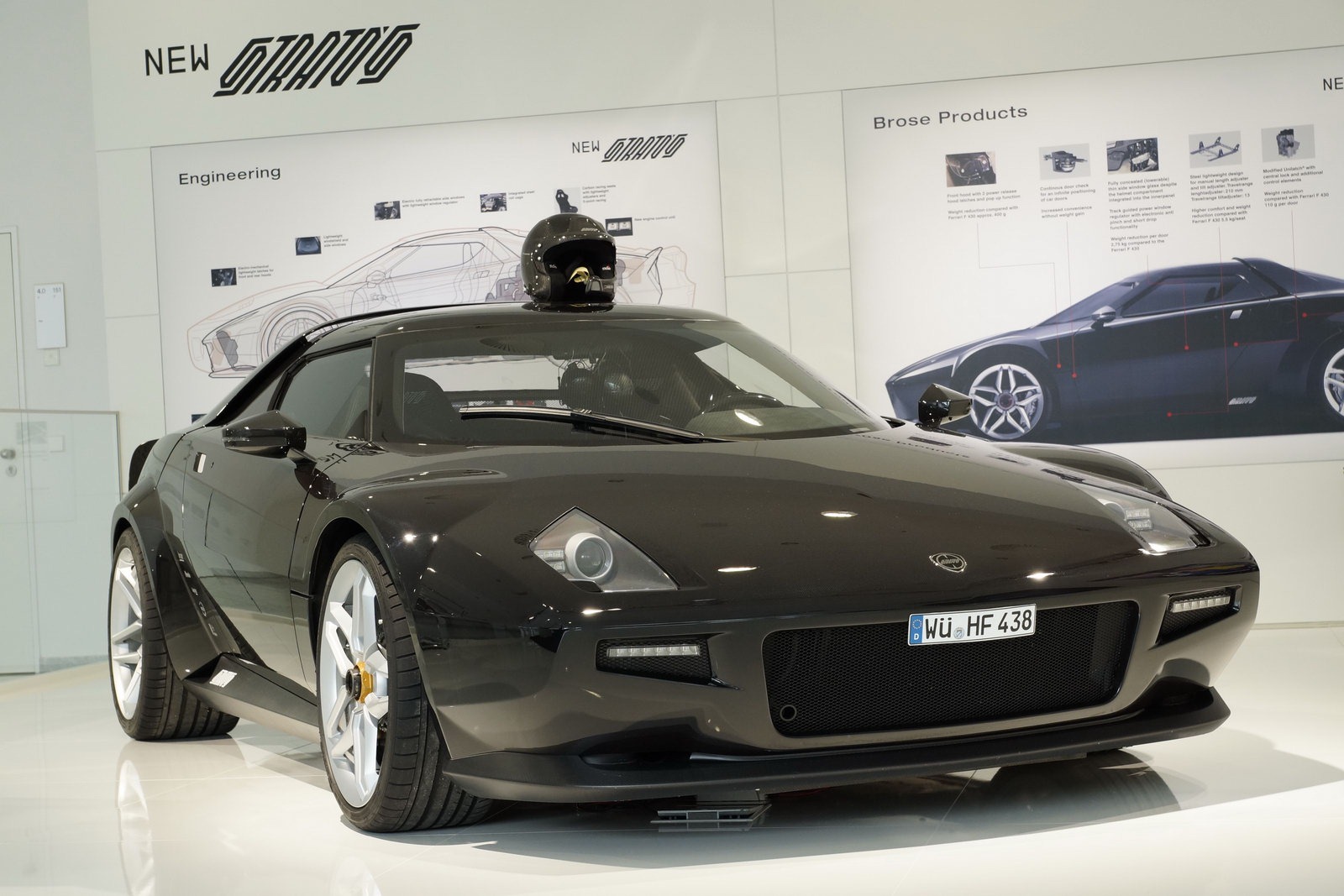
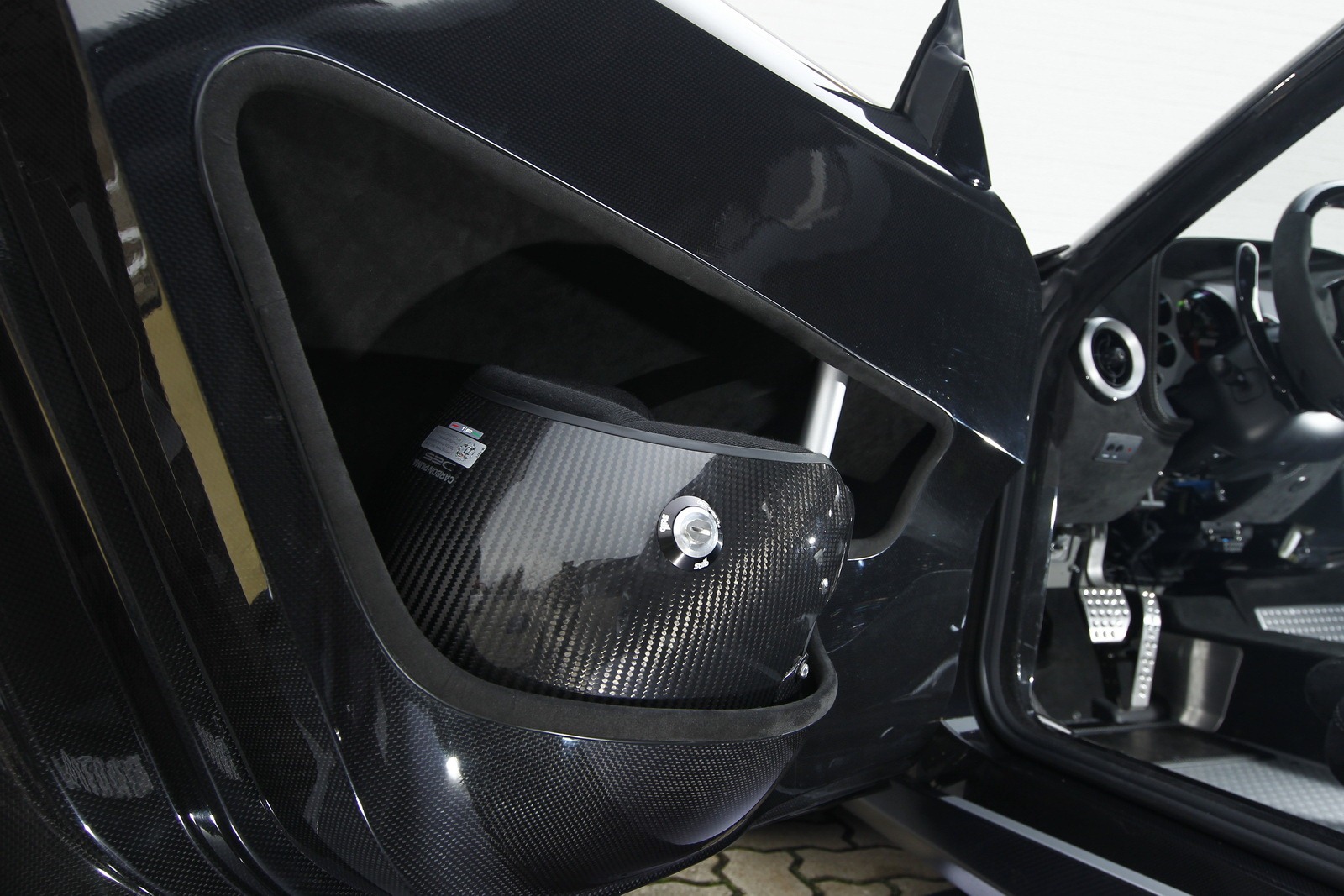
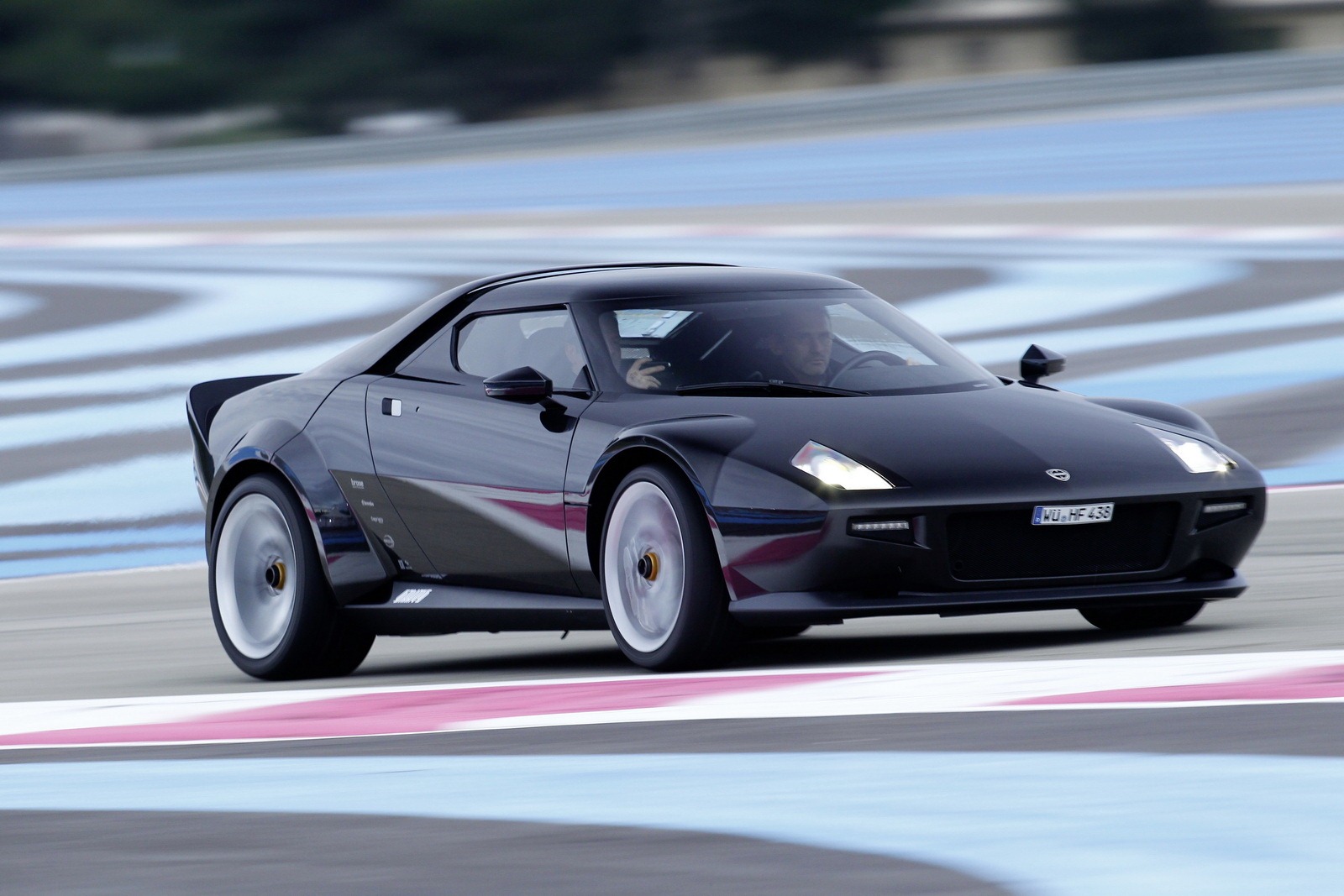
The automotive history is full of people who tried to make their dreams come true but failed, some due to their limited ability or resources, some because of bad timing and others because the big fish swimming in their pond were, well, too big to handle. Automotive industry entrepreneur, collector and historic car driver Michael Stoschek has just joined their ranks after attempting to build a 21st century version of one of rallying’s iconic cars: the Lancia Stratos.
Earlier this week, Stoschek announced that he will not be able to fulfill the 50 orders he had already received: “The reason lies in the attitude of Ferrari CEO Amedeo Felisa, who opposes the production of other vehicles by companies that work with Ferrari," he wrote on his website.
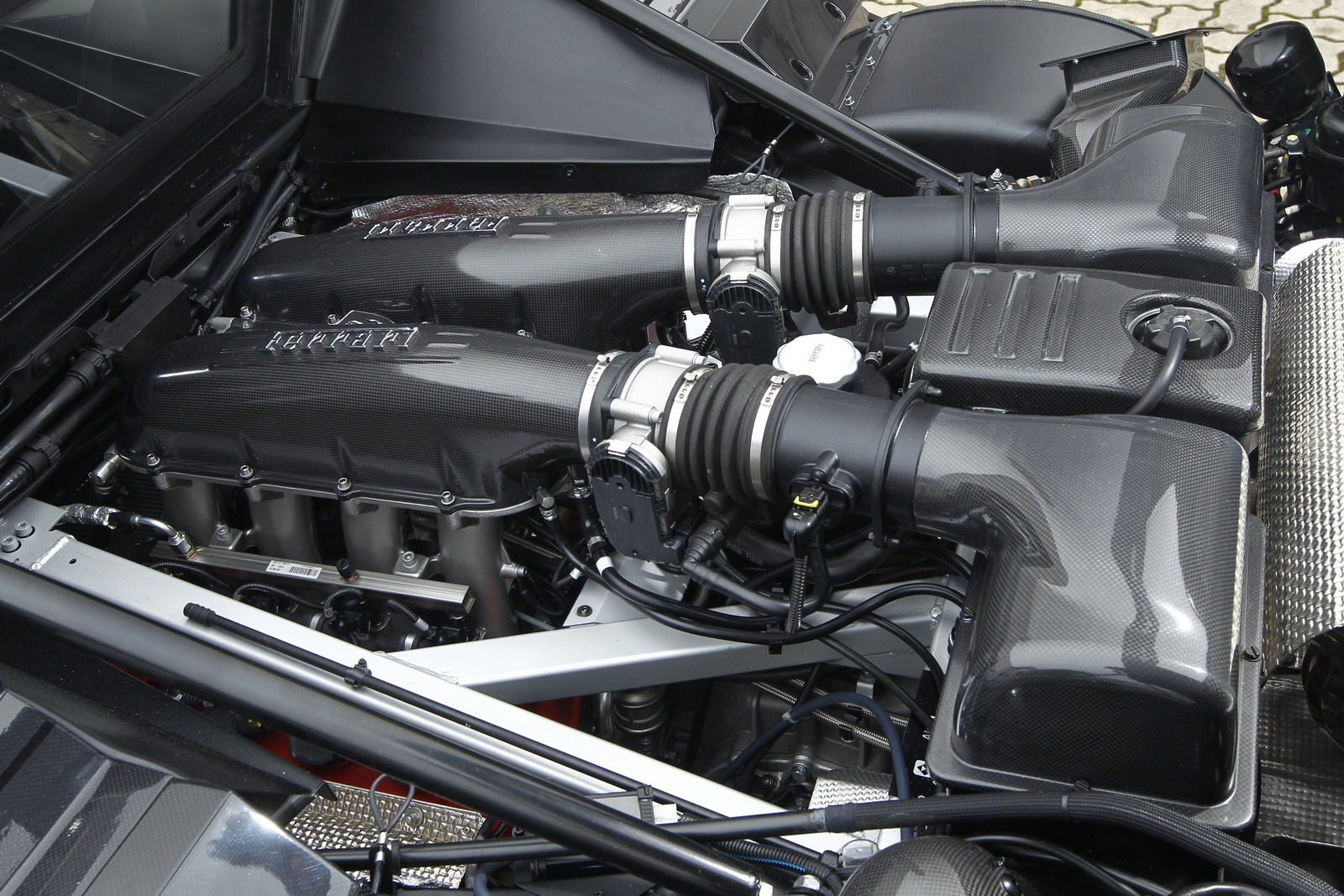
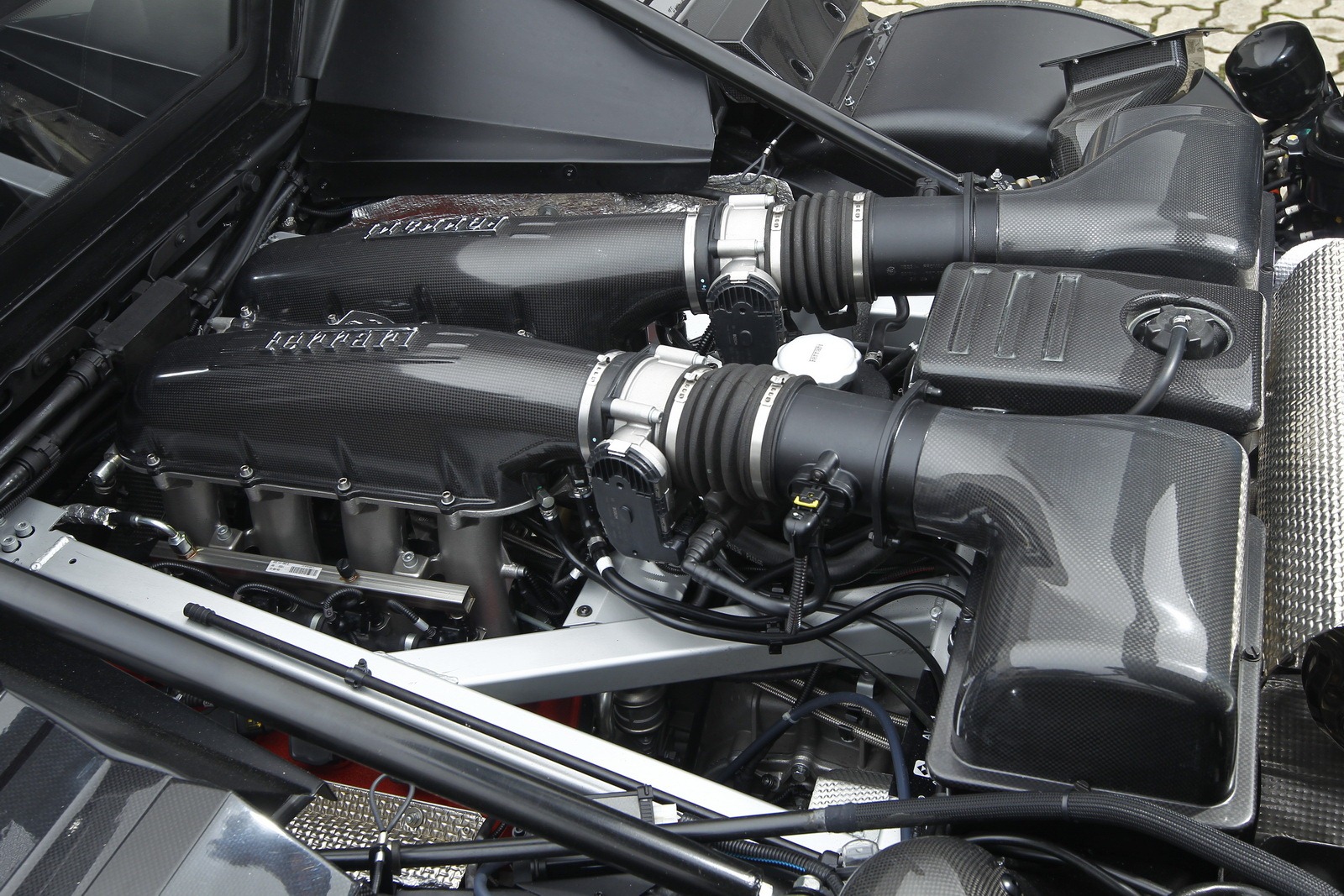
His “mistake” was that he chose to use Pininfarina for the design of the chassis and bodywork, and a Ferrari 360 or F430 as a donor car for the powertrain of the New Stratos.
Although Ferrari President Luca di Montezemolo himself drove it and made very positive remarks about the car, Maranello had a change of heart and announced that it would not allow Pininfarina or any other of its suppliers to be connected with the New Stratos project.
Stoschek said that, despite having the chassis and bodywork data in CAD, the search for another company to take over from Pininfarina and continue the project failed since “many of the details are only in the minds of some highly skilled people employed by Pininfarina”.
Nevertheless, he said that the New Stratos will not be confined in a garage but will instead be presented at various public events – and he added that he is already building a black Lancia Stratos Stradale, "so that the many similarities between the old and the new Stratos are more obvious".

PHOTO GALLERY

New-Stratos-1New-Stratos-2New-Stratos-3New-Stratos-4New-Stratos-5New-Stratos-6New-Stratos-3rNew-Stratos-2rNew_Stratos_5New_Stratos_4New_Stratos_3New_Stratos_1

Monday, December 26, 2011

Dodge Bids Farewell to Caliber Crossover and Nitro SUV

The end of 2011 brings about the death of two much-criticized Dodge models, the Caliber crossover and the Nitro SUV, both of which were conceived and developed during the time Mercedes-Benz's parent company Daimler reigned over the Chrysler Group. The last examples of the Caliber and Nitro models rolled off Chrysler's Belvidere, Illinois and Toledo North assembly plants respectively this month.
Introduced in 2006, the Caliber was designed to replace the Neon in the same fashion that Nissan tried to win the European C-segment (think VW Golf) with the Qashqai crossover, but without the same success.
The Caliber left a lot to be desired, especially in the powertrain/drivetrain department and its rent-a-car like interior.
Monthly sales of the compact five-door model peaked in May 2008 with 12,856 units, dropping to a pitiful 412 units in November 2009, with Dodge delivering 1,202 Calibers last month.
The Caliber's replacement will be introduce in a couple of weeks at the 2012 Detroit Motor Show with the new 2013 Dodge Dart, which is a compact-sized sedan model based on the platform architecture of the Alfa Romeo Giulietta.
The Nitro SUV made its debut in 2006 as a more masculine and sportier Dodge derivative of the second generation Jeep Liberty with which it shared its platform but not the latter's more hardcore all-wheel drive hardware. It too suffered from a cheap interior while it's on-road dynamics were poor.
The best sales month of the Nitro was in March 2007 with 7,532 deliveries, while the worst was in July 2009 with 1,115 units, with Dodge selling 1,661 units in November 2012.
In a recent interview, Fiat-Chrysler Group CEO, Sergio Marchionne, said that "This car should never have been built” referring to the Nitro.
Story References: Automotive News

DODGE CALIBER


Saturday, November 12, 2011

New BMW 3-Series/4-Series Coupe Digitally Imagined

Last month, spy photographers captured the first pictures of the car that will eventually replace the current BMW 3-Series Coupe, and which may or may not carry a new 4-Series Coupe moniker, while testing in Germany. Naturally, as with any early prototype, the coupe was slathered in the usual psychedelic swirl favored by the likes of BMW and other German carmakers.
Using these first scoop pictures as well as some basic styling elements from the recently revealed F30 3-Series sedan as a guide, F30Post forum member Wildspeed crafted a rendering of the next-generation Coupe model, which he then produced in numerous colors for our viewing pleasure.
Regardless of the name and the styling specifics, the 3-Series Coupe's replacement will borrow its basic platform architecture and engine lineup straight from the F30 saloon.
Among other available powerplants, the coupe model will be offered with a selection of turbocharged four-cylinder gasoline engines including a 1.6-liter unit for Europe and a global 2.0-liter with up to 240HP at launch and a 3.0-liter turbocharged inline-six with 300HP (306HP in the EU). Most markets will also get 2.0-liter four-cylinder and 3.0-liter inline-six turbo diesels.
And like the F30 sedan, once production is underway, BMW will offer the coupe with its xDrive all-wheel drive system and of course, in M3/M4 trim.
Story References: F30Post/Wildspeed

PHOTO GALLERY

Tokyo Motor Show: Tiny Daihatsu Pico EV Concept

 
The third Daihatsu concept model heading to this year's edition of the Tokyo Motor Show is the PICO, a futuristic proposal for a diminutive two-seater EV commuter positioned between small cars and motorcycles. At 2,400mm long, 1,000mm wide and 1,530mm tall with a wheelbase of 1,830mm, the Daihatsu concept is much smaller than the Smart Fortwo, yet it has space for two passengers sitting in tandem-style.
The driver and the passenger enter the vehicle simply by raising a protective bar than opens like a scissor-style door.
Other highlights include the LED panels incorporated on the protective bars as well as the front and rear ends of the car, and which display a variety of messages to warn pedestrian and other motorists on the road.
Daihatsu says that the PICO tips the scales at just 400kg (or about 880 pounds). .
The concept’s batteries can be charged in 2 hours and offer a driving range of up to 50 kilometers (31 miles) at speeds of up to 50km/h (31 km/h).

PHOTO GALLERY

Thursday, October 13, 2011

Volvo V60 plug in Hybrid

At the 2011 Geneva Motor Show, Volvo Cars will be unveiling the Volvo V60 Plug-in Hybrid - a virtually production-ready car with carbon dioxide emissions below 50 g/km. The Plug-in Hybrid, which will be launched on the market in 2012, is the result of close cooperation between Volvo Cars and Swedish energy supplier Vattenfall.

"No industry or organisation can tackle the climate challenge all by itself. It is our mission to develop carbon dioxide-lean cars, but a sustainable future must be created jointly by everyone in society. This project shows how cooperation between experts in different areas brings us closer to the transition from individually carbon dioxide-lean products to a climate-smart lifestyle," says Stefan Jacoby, President and CEO of Volvo Cars.
In January 2007, Volvo Cars and Vattenfall launched an industrial partnership whose aim was to test and develop plug-in technology. This cross-border initiative resulted in the foundation of a jointly owned company - V2 Plug-in-Hybrid Vehicle Partnership,
Half the CO2 emissions, full driving pleasure
Development work has been jointly financed. Now the project is on the threshold of introducing the market's first diesel plug-in hybrid. It's an attractive car type that gives the user access to the very best properties of both an electric car and a diesel-powered vehicle: very low fuel consumption and CO2 levels, combined with long range and high performance.
"One important aspect of the project was to retain the Volvo V60's excellent driving pleasure, high safety standard and luxurious comfort. At the same time, average CO2 emissions and fuel consumption will be halved compared with what is available on the market today," says Stefan Jacoby, and adds:
When powered solely by electricity, the Volvo V60 Plug-in Hybrid has a range of up to 50 kilometres. The car's total operating range is up to 1200 km. Carbon dioxide emissions will be an average of 49 grams per kilometre (EU Combined) and fuel consumption will be 1.9 litres per 100 km.
The cost of the battery pack means the plug-in hybrid will be more expensive to buy than a Volvo V60 with a conventional combustion engine. On the other hand, fuel costs will be one-third compared with a conventional combustion engine. The cost of running on electricity in Sweden has been calculated at about 2.50 kronor per 10 km. The exact cost will vary from one market to another.
The plug-in hybrid can be charged via a regular household electricity socket at home or when parked somewhere else. Charging time is about five hours if the car is recharged at home.
Electric power offers a range of benefits
Electrification of the transport sector is an important step in the fight against climate change. Electricity is a highly beneficial fuel:
  • An electric motor is almost four times as efficient as a regular combustion engine. This means that an electrically powered car consumes less energy and thus produces lower emissions, even if it is powered by a blend of electricity sources that include fossil fuels.
  • European electricity production has an emission ceiling. This means that even if all vehicles were to run on electricity, electricity production itself is not allowed to produce more carbon dioxide. This emission ceiling will be gradually lowered over a period of time.
  • Electricity is an excellent source of energy. It does not risk running out, and it can be produced virtually without any CO2 emissions. For instance, Vattenfall is working towards halving the company's emissions by 2030 and becoming climate-neutral by 2050.
  • Emissions from millions of exhaust tailpipes are transferred to a small number of production facilities, which are easier to control and which will operate on the basis of the EU's trade in emission rights, something that does not apply to the transport sector at present.
  • Electric vehicles use relatively little electricity and the increase in consumption will be more than covered by ambitious expansion plans for renewable energy sources throughout Europe. A single wind-power station, for instance, produces sufficient renewable energy to power 3,000 electric cars. Vattenfall will offer buyers of the plug-in hybrid a contract including electricity from renewable sources.
Rapid expansion of renewable electricity production
Electricity production is undergoing rapid expansion. Wind-power is being commercially introduced on a large scale and is continuing to expand, biofuels will replace fossil fuels on a broad front, wave-power is expected to enter commercial operation within ten years, and new technology to clean CO2 emissions from coal-fired power stations is currently under development.
At Volvo Cars, work progresses on the Volvo V60 Plug-in Hybrid in parallel with development of the Volvo C30 Electric, which runs entirely on electricity.
"These two car types complement one another. With a plug-in hybrid the driver is entirely independent of recharging stations when driving long distances. The future electric-car market will feature a mixture of both all-electric cars and plug-in hybrids," says Stefan Jacoby.
The third leg in Volvo Cars' electrification strategy is empowering the upcoming engine generation with hybrid technology.

Tuesday, September 6, 2011

1,308bhp Monster Truck with Scooter Firing Air Canon to Star at Top Gear Live Event

One of the stars of this year's edition of the Top Gear Live show that takes place at the NEC Birmingham from November 11 to 13, and at the ExCel London from November 24 to 27, will be the Red Dragon monster truck. Hand-built by former European Monster Truck Champion, Rob Williams, this beast made its stage debut at the Top Gear Live event in South Africa last year.
The Red Dragon is based on the Ford F-350 Super Duty but power come courtesy of a bespoke 9.5-liter supercharged V8 engine from Chevrolet that delivers 1,308bhp and 1,040 lb-ft while burning through a gallon of methanol fuel every 50-60 yards (!).
Related Posts Plugin for WordPress, Blogger...